

CPA marketing with Google Ads lets affiliates and advertisers pay only when a specific action—like a sale, sign-up, or form submission—occurs. Google Ads drives high-intent traffic to CPA offers through Search, Display, and Performance Max campaigns. When paired with mobile optimization, email marketing, and Google Analytics tracking, CPA marketing with Google Ads can deliver consistent, scalable returns.
Cost-per-action advertising has quietly become one of the most efficient models in digital marketing. Unlike pay-per-click or CPM campaigns where you pay for exposure regardless of results, CPA marketing with Google Ads means your budget only moves when something meaningful happens—a purchase, a lead form filled out, an app installed. That performance-first structure has made it enormously attractive to both independent affiliates and large-scale advertisers.
Google Ads sits at the center of that ecosystem. With access to over 8.5 billion daily searches (according to Internet Live Stats), the platform offers unrivaled reach and targeting precision. But reach alone doesn’t build a profitable CPA campaign. The affiliates and advertisers who succeed on Google Ads combine smart campaign architecture, multi-channel traffic strategies, mobile-first thinking, and disciplined analytics to turn clicks into measurable actions.
This guide breaks down everything you need to know about CPA marketing with Google Ads—from campaign setup and budget optimization to mobile traffic, email integration, proven CPA marketing strategies, and the best CPA traffic sources beyond Google’s ecosystem. Whether you’re launching your first campaign or looking to scale an existing one, this post gives you a practical, data-grounded framework to work from.
What Is CPA Marketing and Why Does It Matter?
CPA marketing, or Cost Per Action marketing, is a performance-based advertising model where marketers pay a set fee only when a user completes a defined action. That action could be a product purchase, a free trial signup, an email opt-in, a phone call, a quote request, or an app download—whatever the advertiser designates as a conversion event.
This model differs fundamentally from CPC (Cost Per Click) and CPM (Cost Per Thousand Impressions) campaigns. With CPA marketing, the financial risk shifts toward the traffic source rather than the advertiser. If clicks don’t convert, the advertiser doesn’t pay. That dynamic makes CPA marketing particularly appealing for performance-focused businesses trying to maximize return on ad spend (ROAS).
How CPA marketing differs from other performance-based models
CPA marketing sits within the broader affiliate and performance marketing landscape but operates under tighter accountability. In CPA marketing with Google Ads, you’re not just buying visibility—you’re engineering a direct path from search intent to conversion. Compare this to:
- CPL (Cost Per Lead): Pays for contact information only, without requiring a sale
- CPS (Cost Per Sale): Pays only on completed purchases—a narrower CPA subset
- CPC (Cost Per Click): Pays for traffic regardless of what users do after clicking
CPA marketing blends accountability with flexibility, making it one of the most scalable models for affiliates running Google Ads campaigns.
Why Google Ads Is One of the Best CPA Traffic Sources
Not all traffic is created equal. Google Ads consistently ranks among the best CPA traffic sources available because it captures users at the moment of intent. A person searching “best project management software free trial” isn’t browsing—they’re ready to act. That intent-alignment is exactly what CPA campaigns need to produce low-cost, high-quality conversions.
Google Ads also gives CPA marketers access to multiple campaign types suited to different stages of the funnel:
- Search Campaigns: Target high-intent keywords directly linked to your CPA offer
- Display Network: Reach audiences across millions of websites and apps with visual ads
- Performance Max: Use Google’s AI to optimize across Search, Display, YouTube, Gmail, and Maps simultaneously
- YouTube Ads: Drive awareness and action through video content at scale
Campaign setup strategies for maximum conversions
A high-converting CPA campaign on Google Ads starts with structure. Here are the foundational steps:
- Define your conversion action clearly before building any ad group. Use Google Ads conversion tracking to record the exact action tied to your CPA payout.
- Use tightly themed ad groups around specific keyword clusters. Broad, unorganized ad groups dilute Quality Score and inflate cost-per-click.
- Write ad copy that pre-qualifies clicks. Mention the offer type, requirements, or incentive in your headline to reduce irrelevant clicks.
- Select the right bidding strategy. For CPA marketing with Google Ads, Target CPA (tCPA) and Maximize Conversions are the most effective bidding options once you have at least 30–50 conversions recorded in the past 30 days.
- Build dedicated landing pages for each offer. Sending paid traffic to a generic homepage kills conversion rates.
Budget optimization techniques
Smart budget allocation separates profitable CPA campaigns from money pits. Start with a daily budget that allows at least 10–15 clicks per day to generate meaningful data. Avoid cutting budgets prematurely during the Google Ads learning phase (typically 1–2 weeks after a major change). Once campaigns stabilize, increase budgets in 15–20% increments to scale without disrupting the algorithm.
Use bid adjustments to allocate more budget toward top-performing devices, locations, and time slots. Segment campaigns by match type—running separate campaigns for exact match and broad match keywords gives you cleaner performance data and more control over spend.
Mobile Traffic for CPA Marketing: A Channel You Can’t Ignore
Mobile now accounts for more than 60% of global web traffic, according to Statista (2024). For CPA marketing, that figure is critical. CPA marketing for mobile traffic requires a different approach than desktop campaigns—user behavior, screen size, load times, and browsing context all affect conversion rates in measurable ways.
Optimizing campaigns specifically for CPA marketing for mobile traffic
- Enable mobile bid adjustments in Google Ads to increase bids on mobile devices when data shows higher conversion rates on those placements.
- Design mobile-first landing pages with fast load times (under 3 seconds), large tap targets, and minimal form fields. Each additional form field reduces mobile conversions.
- Use call extensions and lead form extensions to let users convert directly from the ad without leaving the search results page.
- Test Responsive Search Ads (RSAs) on mobile. Google’s machine learning will test combinations and serve the highest-performing message to mobile users.
Mobile-specific conversion tracking and analytics
Set up separate conversion actions for mobile within Google Ads—specifically phone calls from ads, call durations, and app installs if applicable. Segment performance reports by device in both Google Ads and Google Analytics to identify where mobile traffic succeeds or drops off. This data feeds directly into your CPA marketing strategy adjustments.
Email Marketing for CPA Offers: Building a Long-Term Revenue Engine
CPA marketing with Google Ads excels at capturing cold traffic, but email marketing for CPA offers builds the warm audience that converts at dramatically lower cost over time. These two channels are most powerful when they work together.
How email marketing complements CPA campaigns
Google Ads generates the initial opt-in or lead. Email marketing nurtures that contact through to the CPA action—often a purchase or a trial signup that takes more than one touchpoint to complete. According to Campaign Monitor, email marketing delivers an average ROI of $42 for every $1 spent, making it the highest-returning digital channel available to CPA marketers.
Building email lists for CPA promotions
Use your Google Ads campaigns to drive traffic to a lead magnet landing page—a free guide, a discount code, a free tool, or an exclusive resource tied to your CPA offer niche. Collect email addresses through a clean opt-in form, then follow up with an automated email sequence that delivers value before pitching the offer.
Keep your list segmented from day one. Separate contacts by the offer type that attracted them, the stage of the funnel they’re in, and their engagement history. Segmented email campaigns generate 30% higher open rates than unsegmented ones (Mailchimp, 2023).
Email marketing for CPA offers best practices
- Send a confirmation email immediately after opt-in to set expectations
- Follow up within 24–48 hours with relevant value content before introducing the CPA offer
- Use urgency and scarcity triggers (limited-time offers, countdown timers) in offer emails
- A/B test subject lines, send times, and CTAs consistently
- Monitor unsubscribe rates—above 0.5% per campaign signals misalignment between your list and the offer
Proven CPA Marketing Strategies That Actually Generate Results
Experienced CPA marketers operate with a defined playbook. These proven CPA marketing strategies are drawn from campaign patterns that consistently outperform industry benchmarks.
High-performing tactics
1. Pre-sell pages: Instead of linking directly to an offer page, drive Google Ads traffic to a pre-sell page that warms up the user, explains the offer’s benefits, and filters out low-intent clicks. This intermediate step can increase CPA conversion rates by 20–40%.
2. Offer stacking: Promote a primary CPA offer alongside a complementary secondary offer on the thank-you page. The user has already converted once—their trust and intent are at peak levels.
3. Retargeting with RLSA: Remarketing Lists for Search Ads (RLSA) let you bid differently for users who’ve already visited your landing page or website. These audiences convert at significantly higher rates than cold traffic.
4. Dayparting: Analyze conversion data by hour and day of week in Google Ads. Reduce bids or pause campaigns during low-conversion periods and concentrate budget during your highest-converting windows.
A/B testing and optimization methods
Run structured A/B tests on one variable at a time: headline copy, CTA button text, landing page layout, or offer framing. Let each test run until it reaches statistical significance—at least 100 conversions per variant before drawing conclusions. Use Google Ads Experiments to test changes within campaigns without disrupting live performance data.
Targeting and audience segmentation
Layer audience signals onto your Search campaigns using Customer Match lists, similar audiences, and in-market segments. Even when using keyword targeting, audience layering refines who sees your ads and improves conversion quality. For Display and Performance Max campaigns, audience signals are the primary lever for CPA performance.
Leveraging Google Analytics for CPA Success
Google Analytics and Google Ads are built to work together. Linking both accounts unlocks a deeper layer of CPA performance data that Google Ads alone doesn’t provide.
Setting up Google Analytics for accurate CPA tracking
Link your Google Analytics 4 (GA4) property to your Google Ads account through the Admin panel. Import GA4 conversion events into Google Ads so your bidding algorithms can optimize toward real CPA outcomes. Set up custom conversion events in GA4 for every action tied to a CPA payout—form submissions, button clicks, page visits, and purchases.
Key metrics to monitor and measure
- Conversion Rate by Traffic Source: Understand which campaigns, ad groups, and keywords deliver CPA-qualifying actions
- Bounce Rate by Landing Page: High bounce rates signal a mismatch between ad messaging and landing page content
- Sessions by Device Category: Informs CPA marketing for mobile traffic adjustments
- Goal Completion by Audience Segment: Reveals which user groups convert most reliably
- Cost Per Conversion: The central metric for CPA marketing with Google Ads profitability
Using data insights to improve campaign performance
Review Google Analytics data weekly during active campaign phases. Build custom dashboards in GA4 that surface CPA-relevant metrics in one view. Use the path exploration report to understand the multi-touch journey users take before completing a CPA action—this often reveals unexpected pages or traffic sources contributing to conversions.
Best CPA Traffic Sources Beyond Google Ads
Google Ads is powerful, but a single-channel approach creates fragility. Diversifying across the best CPA traffic sources builds more resilient campaigns and often uncovers cheaper conversion paths.
Top CPA traffic sources to consider
|
Traffic Source |
Strengths |
Best For |
|---|---|---|
|
Google Ads |
High intent, massive reach |
Search-driven CPA offers |
|
Meta Ads |
Precise demographic targeting |
Lead gen, app installs |
|
Native Ads (Taboola, Outbrain) |
Content discovery, lower CPCs |
Pre-sell page funnels |
|
Push Notifications |
High engagement, low cost |
Re-engagement offers |
|
SEO / Organic Search |
Zero media cost, compounding returns |
Long-term CPA traffic |
|
Email Marketing |
Highest ROI, warm audience |
Repeat CPA conversions |
|
TikTok Ads |
Viral potential, younger demographics |
App installs, impulse offers |
Comparing performance across channels
Google Ads typically delivers the highest conversion intent among paid sources, but Meta Ads and native platforms often produce lower CPAs for certain offer types—particularly sweepstakes, insurance leads, and financial products. Run multi-channel experiments before committing full budgets to a single source.
Multi-channel approach to CPA marketing
The most scalable proven CPA marketing strategies combine Google Ads for top-of-funnel intent capture, email marketing for nurturing and repeat conversions, retargeting across Meta and display networks for follow-up, and SEO content for sustained organic traffic. Coordinating these channels around the same CPA offer dramatically increases overall conversion volume and reduces average CPA.
Common Challenges and How to Solve Them
Why are my CPA conversions low?
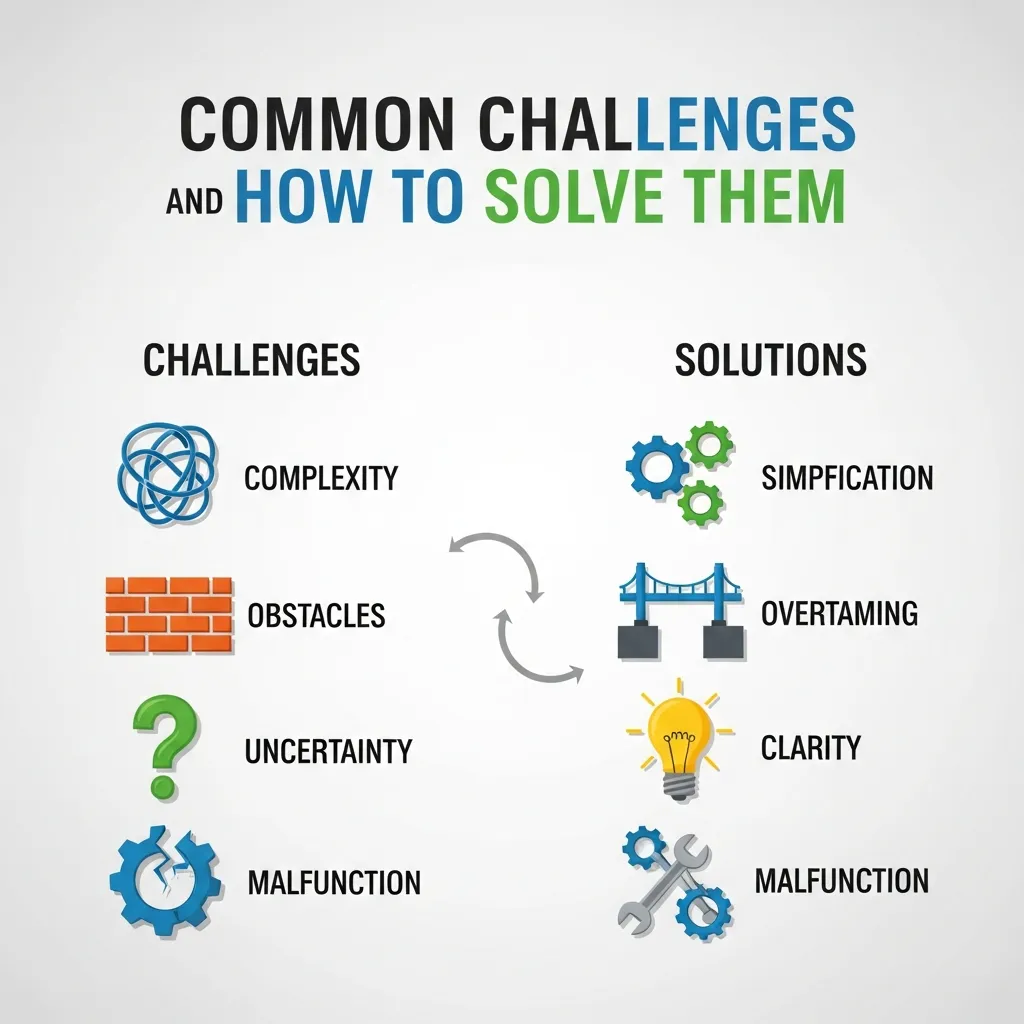
Low conversion rates in CPA marketing with Google Ads usually trace back to four root causes:
- Keyword-to-offer mismatch: The search terms driving traffic don’t align with what the CPA offer delivers. Audit your search terms report and add negatives aggressively.
- Slow landing pages: Google found that a one-second delay in mobile load time reduces conversions by up to 20%. Use Google PageSpeed Insights to diagnose and fix speed issues.
- Weak trust signals: CPA offers require user trust. Add testimonials, security badges, clear privacy policies, and transparent terms to your landing page.
- Bidding on the wrong goal: Ensure your Google Ads campaign is optimizing toward the actual CPA conversion event—not a proxy like page views or time on site.
Scaling campaigns effectively
Scale CPA campaigns by increasing budgets gradually, expanding to new audience segments, and duplicating high-performing campaigns into new geographic markets. Avoid scaling before a campaign is profitable at its current spend—profitability at small scale rarely improves with larger budgets if the underlying conversion mechanics aren’t working.
The Path Forward in CPA Marketing
CPA marketing with Google Ads remains one of the most reliable ways to generate performance-driven revenue at scale—but it rewards marketers who treat it as a system, not a shortcut. The campaigns that consistently produce strong results share a common structure: precise keyword targeting, mobile-optimized landing pages, disciplined budget management, multi-channel traffic diversification, and rigorous analytics monitoring through Google Analytics.
The CPA landscape is also evolving. AI-driven campaign types like Performance Max are giving Google’s algorithms more control over targeting and delivery. Privacy-first tracking changes are reshaping conversion attribution. And mobile’s dominance in CPA marketing for mobile traffic will only grow more pronounced. Staying ahead means testing continuously, building first-party data assets through email marketing for CPA offers, and never relying on a single traffic source.
The strategies in this guide give you a proven foundation. The next step is execution.


Leave a Reply