


Millions of people are leaving traditional office jobs to build their own independent careers. You might be tired of the daily commute or looking for a way to monetize a hobby. Learning how to start freelancing for beginners is the first step toward gaining control over your schedule, income, and professional growth.
The internet has completely transformed the way we work. Online Earning Methods have expanded far beyond simple surveys or data entry tasks. Today, highly skilled professionals offer services ranging from graphic design to financial consulting entirely over the web. This shift allows anyone with a laptop and internet connection to build a sustainable business from their living room.
Starting a freelance career can feel overwhelming at first. You have to figure out what services to offer, how to find clients, and how to manage your taxes. However, understanding how to start freelancing for beginners breaks this massive goal down into manageable, actionable steps. You will learn how to identify your skills, pitch to potential clients, and eventually scale your operations.
This guide covers everything you need to know about how to start freelancing for beginners. We will explore the foundations of setting up your business, strategies for landing your first paying clients, and the best ways to manage your long-term growth.
The Foundation: Preparing to Start Freelancing for Beginners
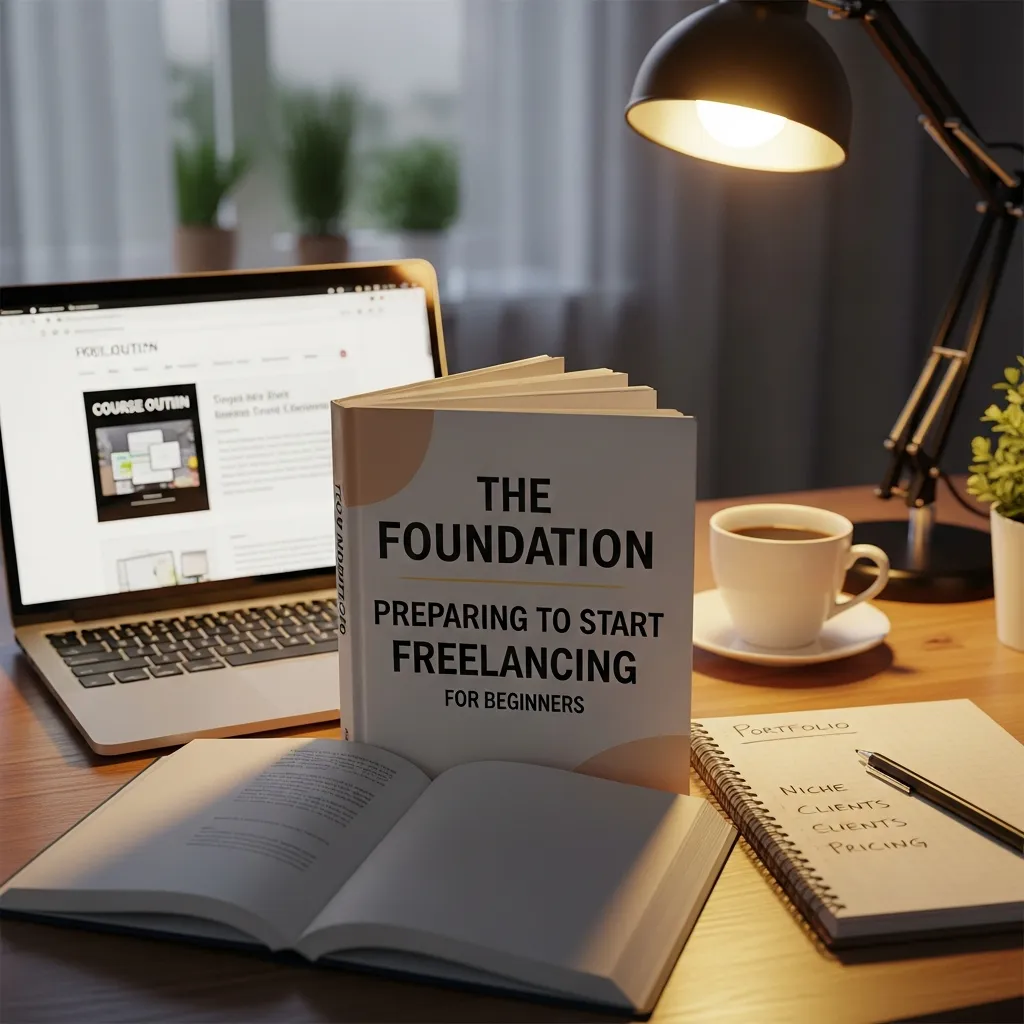
Identify your skills and niche
Before you can sell your services, you need to know exactly what you are selling. A successful freelance career relies on a clear understanding of your abilities.
Skill assessment
Take a piece of paper and write down everything you are good at doing. This list can include hard skills like coding, writing, or graphic design, as well as soft skills like project management or customer service. If you want to know how to start freelancing for beginners effectively, focus on the skills you already possess that others are willing to pay for. You can always learn new tools later.
Market research for profitable niches
Once you know your skills, you need to find a profitable niche. A niche is a specific segment of the market that you target. Instead of being a general “writer,” you could be a “B2B technology freelance writer.” This specialization makes it easier to stand out. Look at job boards and freelance platforms to see what services are currently in high demand. Evaluating Online Earning Methods will help you spot trends and identify gaps in the market that you can fill.
Building your professional presence
Clients need a way to verify your expertise before they hire you. Building a strong professional presence is a core component of how to start freelancing for beginners.
Crafting a compelling portfolio
A portfolio showcases your best work. If you are just starting out and have no past clients, create mock projects. A graphic designer can redesign a famous logo, while a writer can draft sample blog posts. Create a simple website or use a free platform to host these examples. Make sure your portfolio clearly demonstrates the value you provide.
Professional resume and cover letter tips
Even as a freelancer, you will often need a resume and cover letter to apply for specific projects. Tailor these documents to highlight your freelance services rather than your employment history. Focus on the results you have achieved. When pitching, a strong cover letter explains exactly how you will solve the client’s specific problem.
Setting up your workspace
Your physical and digital workspace heavily influences your productivity. Figuring out how to start freelancing for beginners means treating your new venture like a real business.
Essential tools and software
You need reliable tools to communicate with clients, manage projects, and deliver your work. Start with free or low-cost software. Google Workspace offers email and document management, while Trello or Asana can help you track project deadlines. You will also need a reliable way to accept payments, which we will cover later.
Creating a productive environment
Set up a dedicated workspace in your home. This does not have to be a whole room, but it should be a quiet area where you can focus. Having a specific place to work helps separate your professional life from your personal life, preventing burnout.
Finding Your First Clients: Strategies for Beginners
Freelance platforms: The starting point
When figuring out how to start freelancing for beginners, the easiest way to find initial work is through established platforms.
Upwork, Fiverr, Freelancer, etc.
These websites connect freelancers with clients looking for specific services. They are excellent Online Earning Methods for those just starting out because the clients are already there with their credit cards in hand. Each platform operates slightly differently, so spend some time reading their specific guidelines.
Optimizing your profile for success
To succeed on these platforms, your profile must stand out. Use a professional headshot and write a clear, benefit-driven headline. Fill out every section of your profile and upload your best portfolio pieces. Use keywords related to your services so clients can easily find you in the search results.
Networking: Building connections
Sometimes, the best clients come from people you already know. Networking is a vital part of learning how to start freelancing for beginners.
Online communities and social media
Join Facebook groups, LinkedIn communities, and Reddit forums related to your industry. Do not just spam your services; answer questions and provide value. People hire freelancers they trust, and providing helpful advice is a great way to build that trust.
Local events and meetups
Check out local business networking events in your area. Many small business owners prefer hiring local freelancers. Bring business cards and be prepared to explain what you do in one clear sentence.
Cold outreach: Proactive client acquisition
Do not wait for clients to come to you. Cold outreach involves contacting potential clients directly and pitching your services.
Crafting effective pitches
A good pitch is short and focused entirely on the client. Research the company, identify a problem they might have, and explain how you can fix it. For example, if you are a web developer, you might email a local restaurant with a slow website and offer to improve their loading speed.
Follow-up strategies
Business owners are busy. If you do not hear back after your initial email, send a polite follow-up a week later. Keep it brief and friendly. Persistence often pays off when learning how to start freelancing for beginners.
Pricing and Payment: Valuing Your Work

How to price your services
Pricing is often the most stressful part of figuring out how to start freelancing for beginners. You want to charge enough to make a living without pricing yourself out of the market.
Hourly vs. project-based rates
Hourly rates are great for ongoing work where the scope is unclear. However, project-based rates often allow you to earn more as you become faster at your job. Many freelancers start with hourly rates and transition to project-based pricing as they gain experience.
Factors influencing your rates
Your rates should cover your living expenses, business expenses, and taxes, plus a profit margin. Research what others in your niche are charging, but do not compete on price alone. Compete on the quality and reliability of your work.
Payment methods and invoicing
Getting paid on time is crucial for your business survival.
Secure payment gateways
Set up accounts with reliable payment processors like PayPal, Stripe, or Payoneer. These services make it easy for clients around the world to pay you securely.
Creating professional invoices
Send a professional invoice for every project. Include your contact information, the client’s information, a detailed breakdown of the services provided, the total amount due, and the payment due date. Tools like Wave or FreshBooks can automate this process.
Managing Your Freelance Business: Beyond the Basics
Time management and productivity
When you work for yourself, you are entirely responsible for managing your time.
Setting deadlines and prioritizing tasks
Use a calendar to track your project deadlines. Break large projects down into smaller, daily tasks. Tackle your most difficult tasks early in the day when your energy is highest.
Avoiding burnout
Working too much is a common trap when discovering how to start freelancing for beginners. Set strict working hours and take regular breaks. Step away from your computer on the weekends to recharge.
Financial management for freelancers
Managing money is a critical skill for any independent worker.
Tracking income and expenses
Keep a detailed record of every dollar you earn and spend on your business. Open a separate business bank account to keep your personal and professional finances completely isolated.
Tax considerations
Freelancers are responsible for paying their own taxes. Set aside a portion of every payment you receive—typically around 25-30%—into a separate savings account for taxes. Consult with an accountant to understand the specific tax laws in your region.
Legal aspects: Contracts and agreements
Never start working without a written agreement.
Protecting yourself and your work
A contract protects both you and the client. It should outline the scope of work, payment terms, deadlines, and ownership rights. You can find free contract templates online, but having a lawyer review them is always a smart move.
Growth and Scaling: Long-Term Freelancing Success
Continuous learning and skill development
The freelance market is highly competitive. To stay relevant, you must continually upgrade your skills. Take online courses, read industry blogs, and experiment with new tools. Exploring new Online Earning Methods can open up entirely new revenue streams for your business.
Building client relationships and referrals
It is much easier to keep an existing client relationships than to find a new one. Deliver high-quality work on time, communicate clearly, and be pleasant to work with. Happy clients will give you repeat business and refer you to their professional network.
Expanding your services or team
Once you have more work than you can handle, you can raise your prices or start outsourcing tasks to other freelancers. This allows you to scale your income without working more hours.
Challenges and Solutions for freelancers
Dealing with difficult clients
Not every client will be a dream to work with. Set clear boundaries from the beginning. If a client constantly demands extra work outside the contract, calmly point them back to the original agreement and offer to quote them for the additional tasks.
Overcoming imposter syndrome
Many people feel like frauds when they first learn how to start freelancing for beginners. Remember that you do not need to know everything to provide value. You just need to know how to solve the client’s specific problem.
Maintaining work-life balance
When your home is your office, it is hard to disconnect. Enforce strict start and stop times for your workday. Turn off email notifications on your phone during the evenings and weekends.
Your Journey to Start Freelancing for Beginners

Learning how to start freelancing for beginners involves several key phases. First, you must identify your marketable skills and build a professional presence through a portfolio. Next, you acquire clients by utilizing platforms, networking, and sending cold pitches. You then establish your pricing structure and set up systems to manage your time, finances, and contracts. Finally, you focus on delivering excellent work, retaining clients, and gradually scaling your business while maintaining a healthy work-life balance. By treating your freelance work as a legitimate business from day one, you position yourself for long-term success. Read for : Digital Potential
The Future is Freelance
The traditional 9-to-5 job is no longer the only path to a successful career. Taking the time to understand how to start freelancing for beginners opens up a world of flexibility and unlimited earning potential. While the initial setup requires hard work and dedication, the reward of being your own boss is well worth the effort. Take that first step today—assess your skills, set up a profile, and start pitching.
Frequently Asked Questions about Starting Freelancing for Beginners
1. How long does it take to start earning as a freelancer?
It varies widely. Some people land their first client within a week, while others take a few months. Consistency in pitching and networking is the key to speeding up this process.
2. Do I need a degree to become a successful freelancer?
No. Most freelance clients care far more about your portfolio and your ability to deliver results than they do about formal education.
3. What are the best Online Earning Methods for beginners?
Freelance writing, virtual assistance, social media management, and basic graphic design are some of the most accessible Online Earning Methods because they require minimal upfront investment.
4. How do I find my niche as a freelancer?
Look for the intersection between what you enjoy doing, what you are good at, and what clients are willing to pay for. Test a few different services early on to see what gains traction.
5. What are common mistakes when you start freelancing for beginners?
Common mistakes include working without a contract, failing to set aside money for taxes, underpricing services, and ignoring the importance of marketing.
6. How do I set my rates?
Calculate your minimum living expenses, add your business expenses, and factor in taxes. Figure out how many billable hours you can work per week to establish a baseline hourly rate, then adjust based on industry standards.
7. Is freelancing a stable career?
It can be, provided you build a roster of reliable, long-term clients and consistently market your services even when you are busy.
8. How do I handle taxes as a freelancer?
Save roughly 25-30% of your income in a separate account for taxes. Keep track of all your business expenses to lower your taxable income, and consult a tax professional.
9. What’s the importance of a portfolio for new freelancers?
A portfolio is your proof of competence. It shows potential clients that you can actually execute the work you are promising to deliver.
10. How can I protect myself from non-paying clients?
Always use a written contract. Request a deposit or upfront payment before starting any work, and use milestone payments for larger projects.
11. Can I freelance alongside a full-time job?
Absolutely. Many people learn how to start freelancing for beginners by working evenings and weekends until their freelance income matches their full-time salary.
12. What resources are available to help me start freelancing for beginners?
There are countless blogs, YouTube channels, and podcasts dedicated to freelance business advice. Platforms like Upwork also offer free resources and guides for new users.


Leave a Reply